
The ductless HVAC market has grown significantly over the past decade, with the global mini-split system market projected to surpass $30$ billion by 2030. This growth reflects a clear shift in homeowner priorities toward energy efficiency and personalized comfort. As a Mass Save certified contractor, we help homeowners navigate the transition to ductless heating and cooling, ensuring you take advantage of available rebates and incentives to make the upgrade as affordable as possible.
How Ductless Systems Work
A ductless HVAC system, commonly referred to as a mini-split, consists of an outdoor compressor unit and one or more indoor air handlers. These components are connected by a small conduit, requiring only a three-inch hole through the wall. This streamlined process makes ductless systems ideal for older homes, additions, and finished basements in Boxborough, MA and surrounding communities where traditional ductwork is impractical.
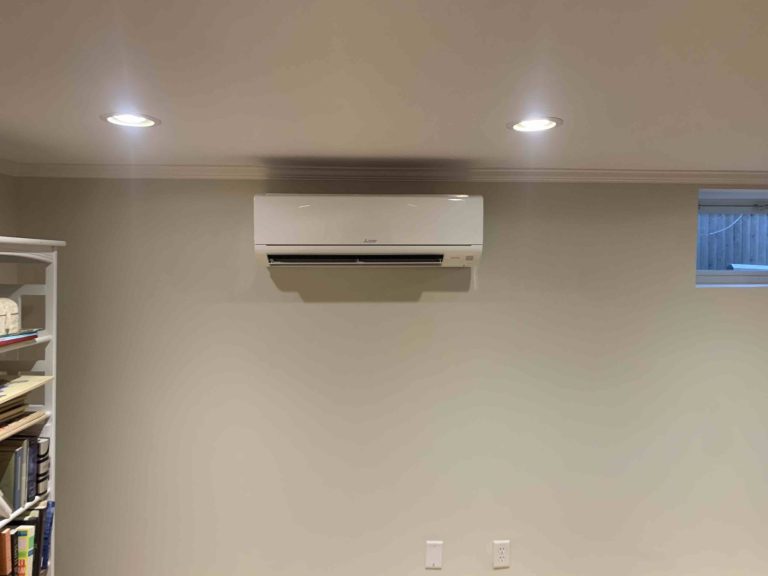
The indoor units are mounted on walls or ceilings and can be controlled independently. This allows each room to operate on its own thermostat, significantly reducing energy waste by only conditioning the spaces you are actively using. Modern ductless systems utilize inverter-driven technology, similar to our advanced heating services, which maintains consistent temperatures while consuming significantly less electricity than conventional units.
Applications and Real-World Benefits
Ductless HVAC systems serve a wide range of applications. Homeowners frequently choose them for room additions or converted attics that need independent climate control. We are a family-owned and locally operated business providing HVAC installation in Westford, MA and nearby towns. We offer free estimates to ensure you have all the information needed before making a decision on your home’s comfort infrastructure.
Beyond residential additions, ductless systems are increasingly popular as whole-home solutions. Multi-zone configurations allow a single outdoor unit to support up to eight indoor units. Homeowners who choose this approach often report energy savings of 25 to 40 percent compared to traditional forced-air systems. To keep these complex systems running efficiently, we also provide specialized heat pump repair and diagnostic services for residents in Carlisle, MA and the surrounding areas.
- Single-zone systems are perfect for individual rooms or home offices that need dedicated climate control.
- Multi-zone systems connect multiple indoor units to one outdoor unit, providing whole-home comfort with independent zone control.
- Ceiling cassette units mount flush with the ceiling for a discreet, low-profile appearance.
- Wall-mounted units are the most common configuration, offering excellent air distribution across the living space.
- Floor-mounted units sit near the baseboards and work well in rooms with limited wall space or large windows.
Whether you are looking to cool a single room or seeking a comprehensive energy-efficient upgrade, our team is ready to help. We provide reliable service for Billerica, MA and nearby locations, focusing on quality work that makes a real difference in your home’s performance. Contact us today to schedule your consultation and discover the benefits of ductless technology.